

Discover the Rich Indian Culture of Sarees

1. Kalamkari Canvas
The captivating motifs drawn by a unique pen liven up a Kalamkari saree. These sarees celebrate Indian culture against the background of earthy hues, and detailed storytelling pallu. These Kalamkari sarees are all about the culture of Andhra Pradesh. Distinguished by the floral and peacock motifs, these are beautiful to drape across all seasons and as well as for formal meetings.


2. Patola Statement
Patola Patan silk sarees are known for their intricate double ikat technique and vibrant geometry. Rooted in royal heritage, these drapes from Gujarat portray the importance of sarees in Indian culture blend centuries-old craftsmanship with bold, fashion-forward designs.
3. Artisanal Batik
Batik cotton sarees showcase India’s artistic diversity, rooted in traditions of West Bengal. Crafted in diverse types of saree fabrics and inspired by wax-resist craftsmanship, in modern times, Batik print sarees are also crafted by blending with other artworks like Kalamkari or Madhubani printed motifs.

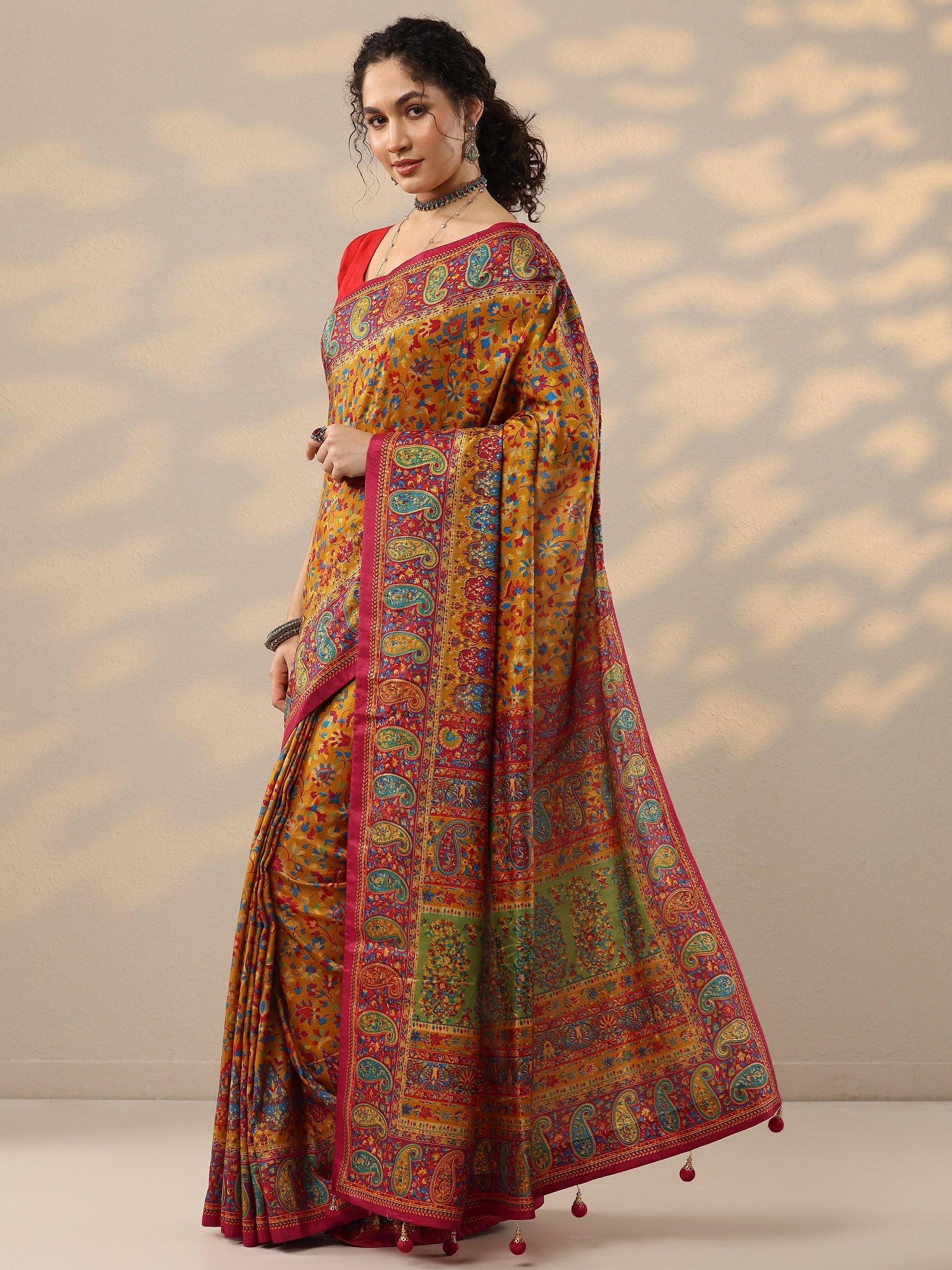
4. Kani Connection
Are you aware of how Kani print sarees are trending? Kani print sarees borrow inspiration from the age-old weaving technique practices in the state of Kashmir. It reflects the rich history of these saree styles. The exquisite motifs resonate the elaborate and evolving Indian culture of sarees, pronouncing them the heirloom-worthy Indian drapes.
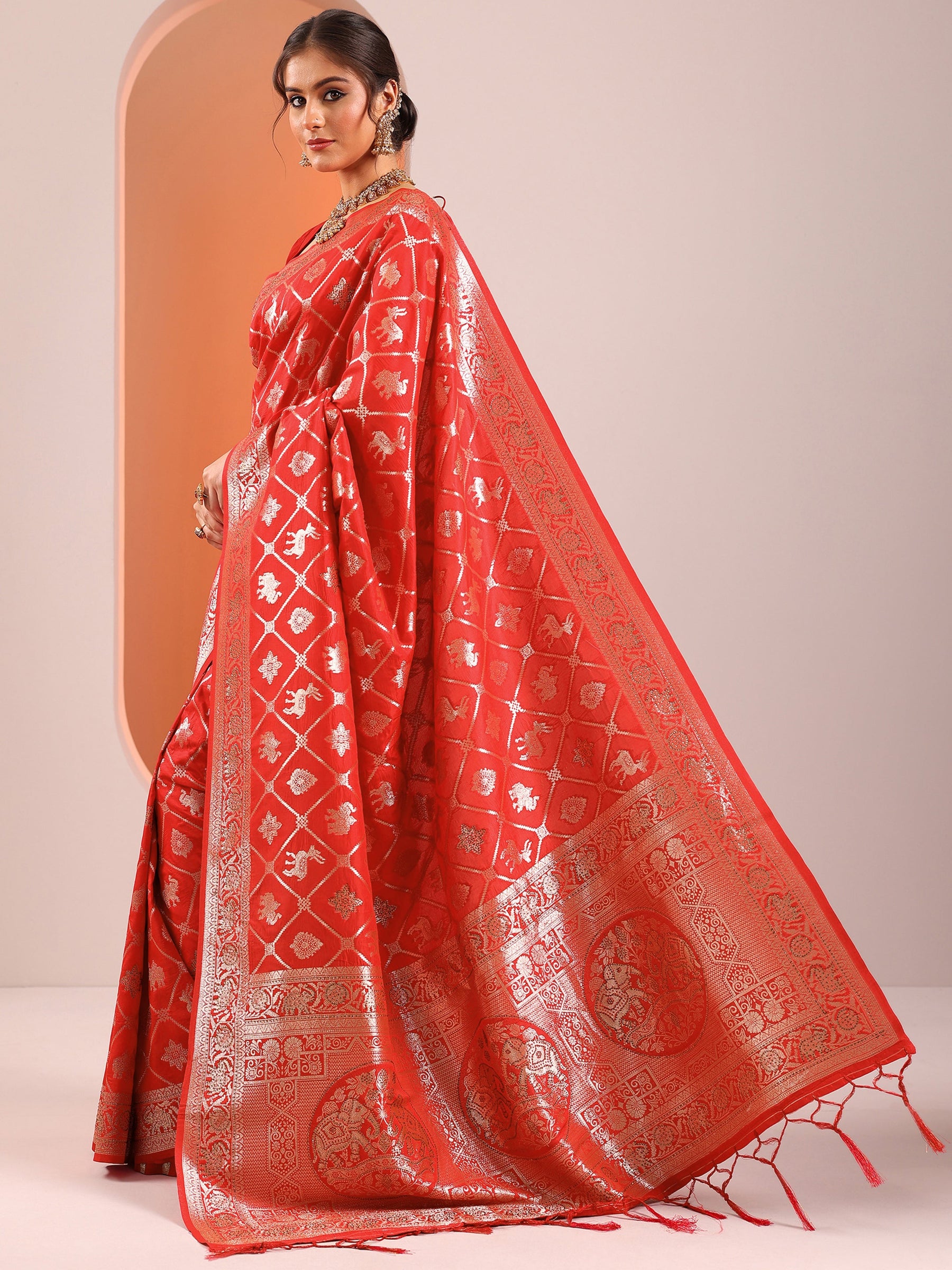
5. Benarasi Baroque
Ever wondered why Banarasi sarees never go out of style? From rich silk classics to the new-age georgette khaddi Benarasi sarees, this iconic weave is evolving beautifully. They have swept the global fashion runways with their exquisite weaves of zari work. From the lanes of Benaras, these gorgeous drapes narrate the rich history of sarees of India. Perfect for festivities and weddings, these rich sarees are what you need to have as investment pieces in your closet.
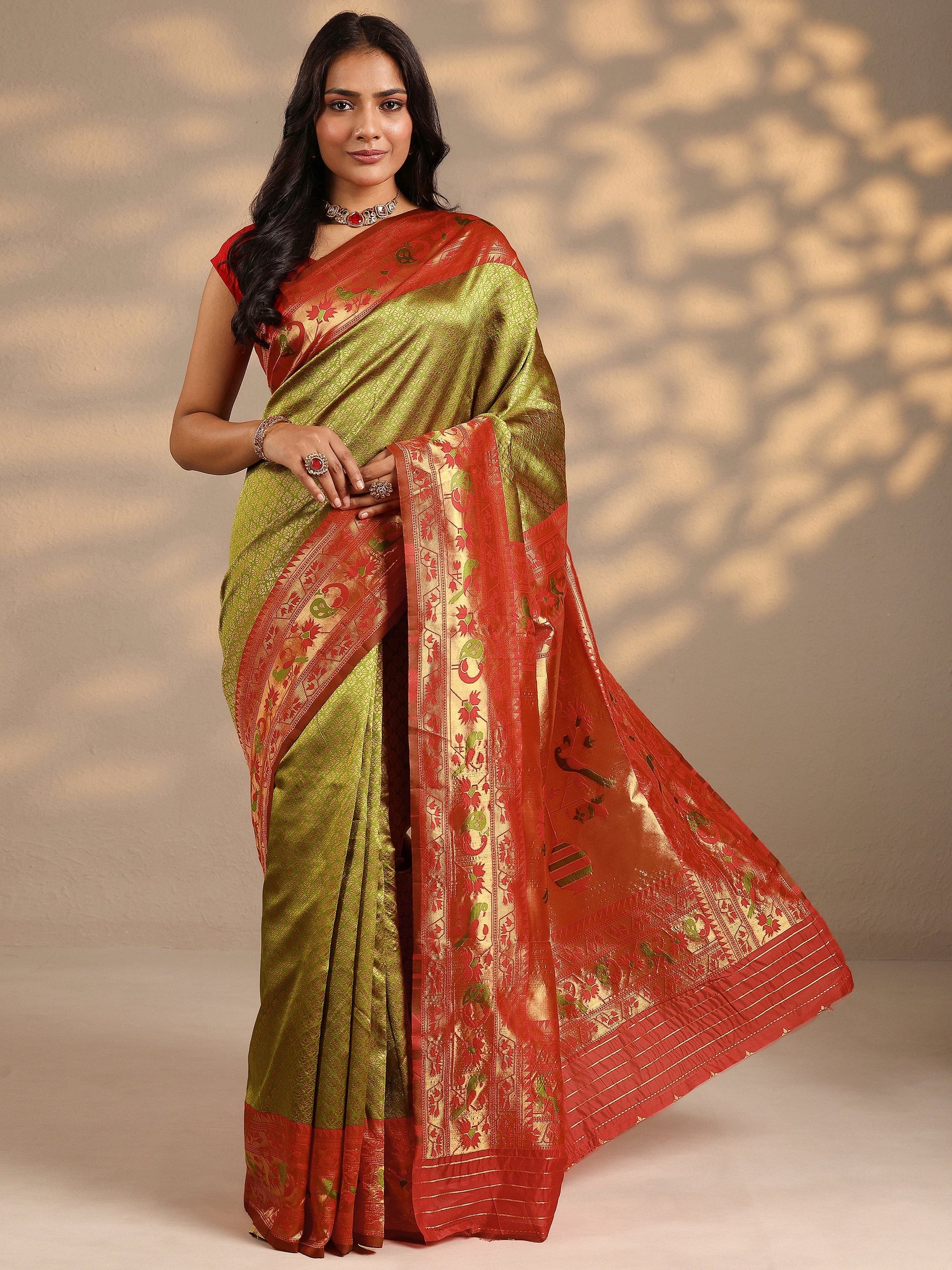
6. Paithani Panache
Ever noticed how Paithani sarees instantly feel regal? Hailing from the state of Maharashtra, these sarees showcase the rich weaving history. These sarees at Libas are reimagined in lighter fabrics to keep these iconic sarees relatable for the younger generation. Bringing forth the different cultures of the sarees of the country, these georgette saree edits are perfect for today's celebrations.
FAQs on Indian Culture Saree
1. Why is a saree important in Indian culture?
A saree is important in Indian culture because it represents tradition, heritage, and timeless elegance. These six yards drapes are offered a new definition across different states and regions of India. Tracing the history of saree, one will realize that this clothing embraces the cultural aspect through its craftsmanship, festivals, weddings, religion, and more.
2. Can sarees vary by region in India?
Types of sarees vary from one state to another. One will find rich silk sarees in Southern India, while colourful sarees of Western India will mesmerize everyone. For instance, Tamil Nadu is popular for its silk Kanjeevaram sarees and Lucknow is famous for its Chikankari embroidered sarees.
3. How did the saree evolve in the Indian culture?
The evolution of saree in Indian culture has been immense. From being a soft unstitched fabric draped around the body, to its representation in ancient scriptures and epics, and the showcase of the modern designer sarees on the fashion runways; the importance of saree in the Indian culture makes it a symbol of Indian heritage and craftsmanship.
4. Are there modern variations of traditional sarees?
Some of the modern variations of the traditional sarees include the saree gown, Palazzo -style saree gowns, Indo-western skirt sarees and more. The modern interpretations include pre-stitched sarees, ruffle sarees, and fusion drapes, blending traditional aesthetics with modern trends.
5. What is the history of sarees in Indian tradition?
The history of sarees in Indian tradition dates back over 5,000 years to ancient India, where Vedic texts and scriptures mentioned the unstitched draped garments worn by women. With time, regional weaving traditions, royal patronage, cultural influence and Bollywood connect have evolved the Indian culture of saree. .
6. What cultural significance does the saree hold in modern fashion?
In modern times, the importance of saree in Indian culture evolves through contemporary drapes, diverse fabrics, and fusion styling, making it relevant for different occasions like weddings, festivals, workwear, and global fashion events.

