

Indian Traditional Prints That Tell Stories

1. Ajrakh Print – Gujarat & Rajasthan
So earthy and yet so beautiful. Yes, we are talking about Ajrakh print. This is India’s oldest block printing technique that comes from the state of Gujarat and Rajasthan. This traditional print in Indian fashion has been dressing up celebrities in Ajrakh sarees, suits, cape jackets, skirts and jackets. Libas has recently launched a playful drop of floral print loungewear that will make you fall in love with Ajrakh print.
Signature Elements:
- Hand block printing
- Geometric patterns
- Indigo and earthy palettes
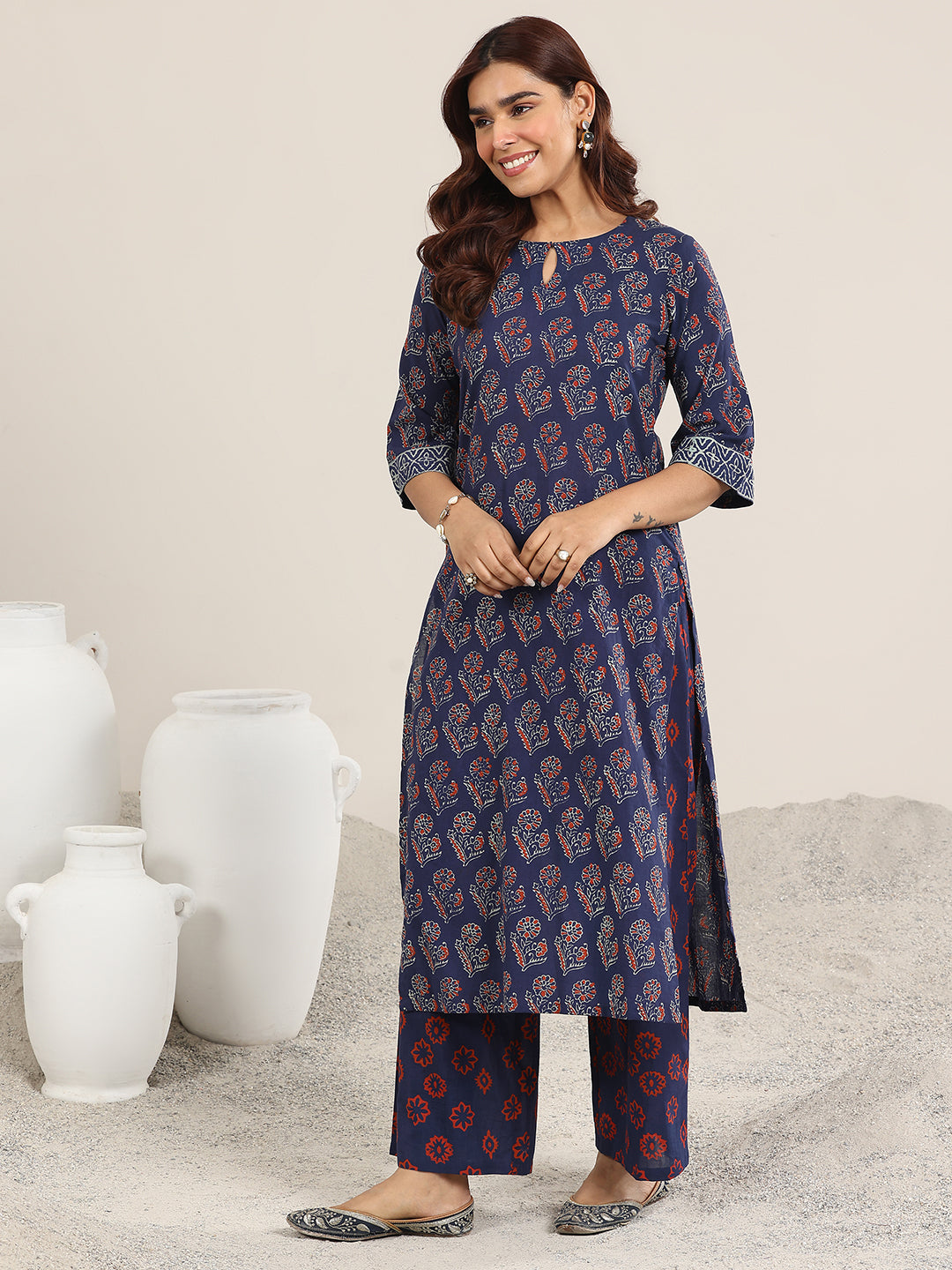

2. Bagru Print – Rajasthan
Originating from the town of Bagru in Rajasthan, these sarees are perfect for summer worwear. Using wooden blocks, you’ll find these sarees woven in cotton or Chanderi cotton fabric wrapped in the love and serenity of earthy colours.
Signature Elements:
- Mud-resist printing
- Natural red, black, and beige tones
- Floral and ethnic motifs
3. Sanganeri Print – Rajasthan
Sanganeri prints celebrate the beauty of floral patterns against a soft colour palette. Traditionally printed on lighter hued backgrounds, these prints continue to dominate contemporary ethnic wear. Besides sarees and suits, this Indian traditional print is a type of block printing that comes from the dessert land of Rajasthan.
Signature Elements:
- Intricate floral motifs
- Fine hand block printing
- Soft pastel and bright tones

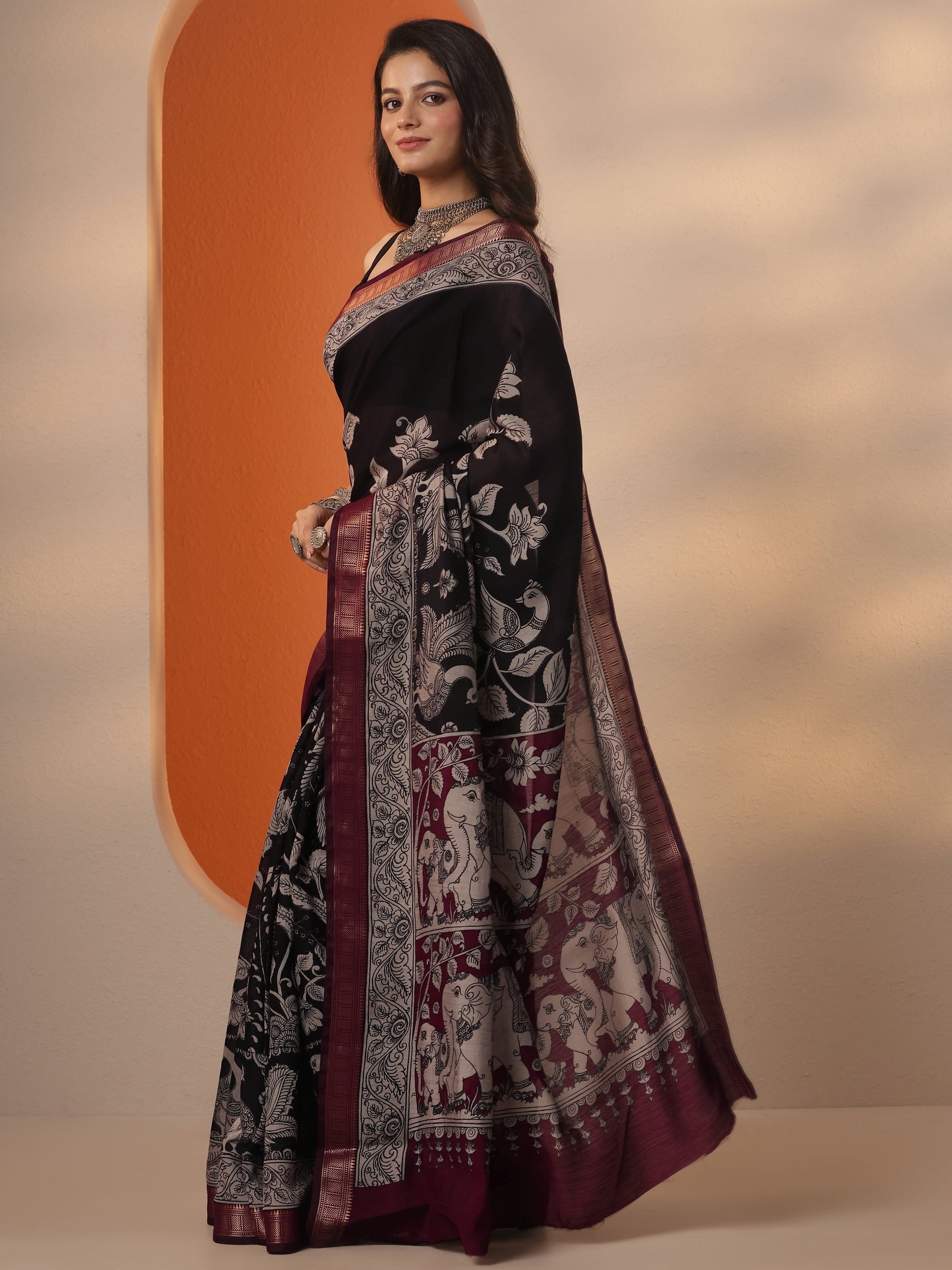
4. Kalamkari – Andhra Pradesh & Telangana
Kalamkari is a hand-painted and block-printed textile art form that has taken the trending traditional arts to a new height. Made using pen-like tool known as ‘kalam’, this heritage print is inspired from mythological epics, nature, temple art and more. Kalamkari sarees online at Libas reflect the most artistic for of Indian textile, making it perfect for the modern Indian women.
Signature Elements:
- Mythological storytelling
- Hand-drawn detailing
- Earthy natural colours
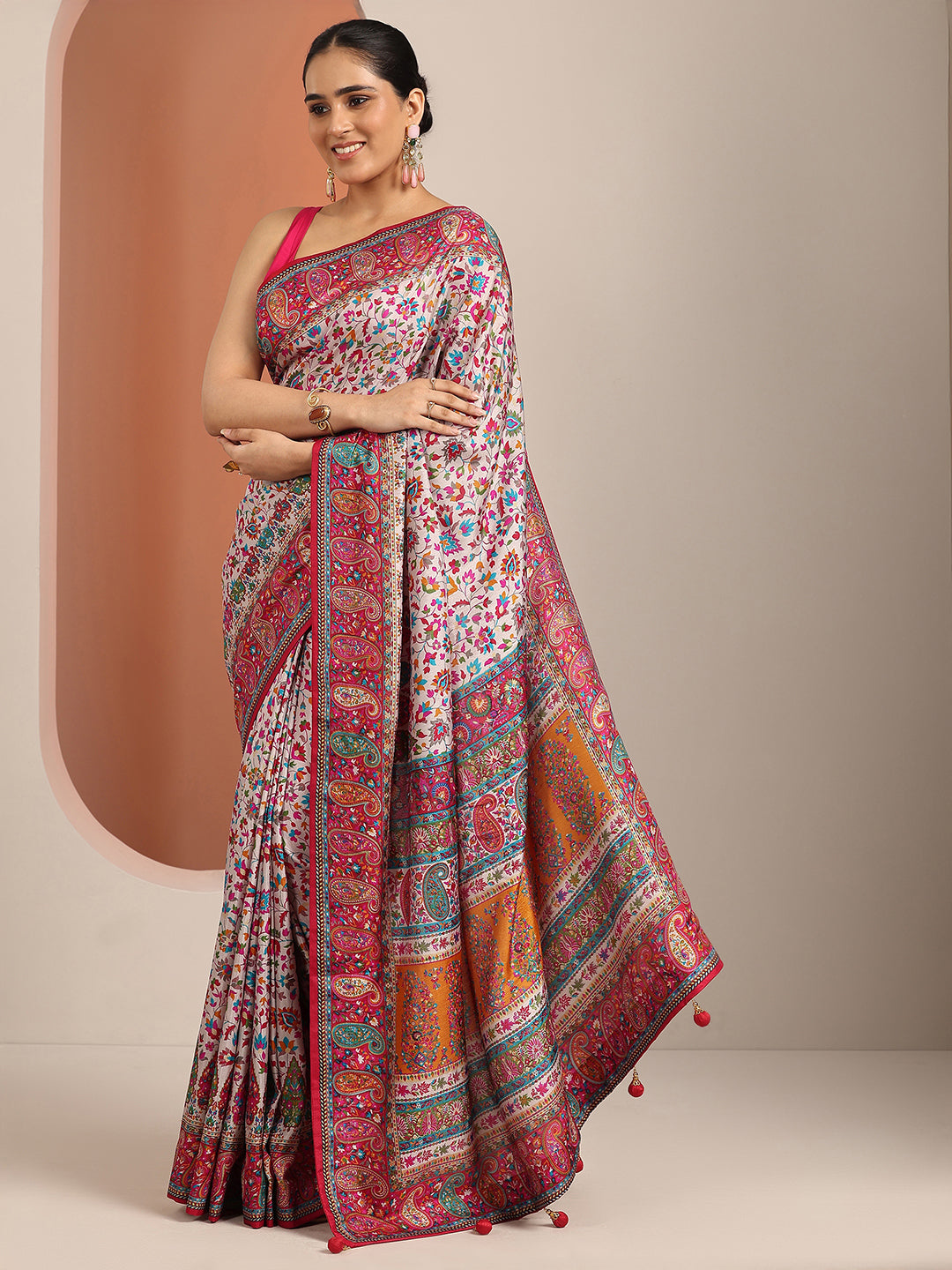
5. Kani Print
Kani prints are inspired by the premium Kani shawls that first originated in Kashmir. Known for its intricate and colourful weaving technique, this Kani weave has now been reimagined as Indian traditional print.
Signature Elements:
- Paisley (buta/kairi) motifs
- Delicate floral vines and Mughal-inspired patterns
- Symmetrical ornamental layouts
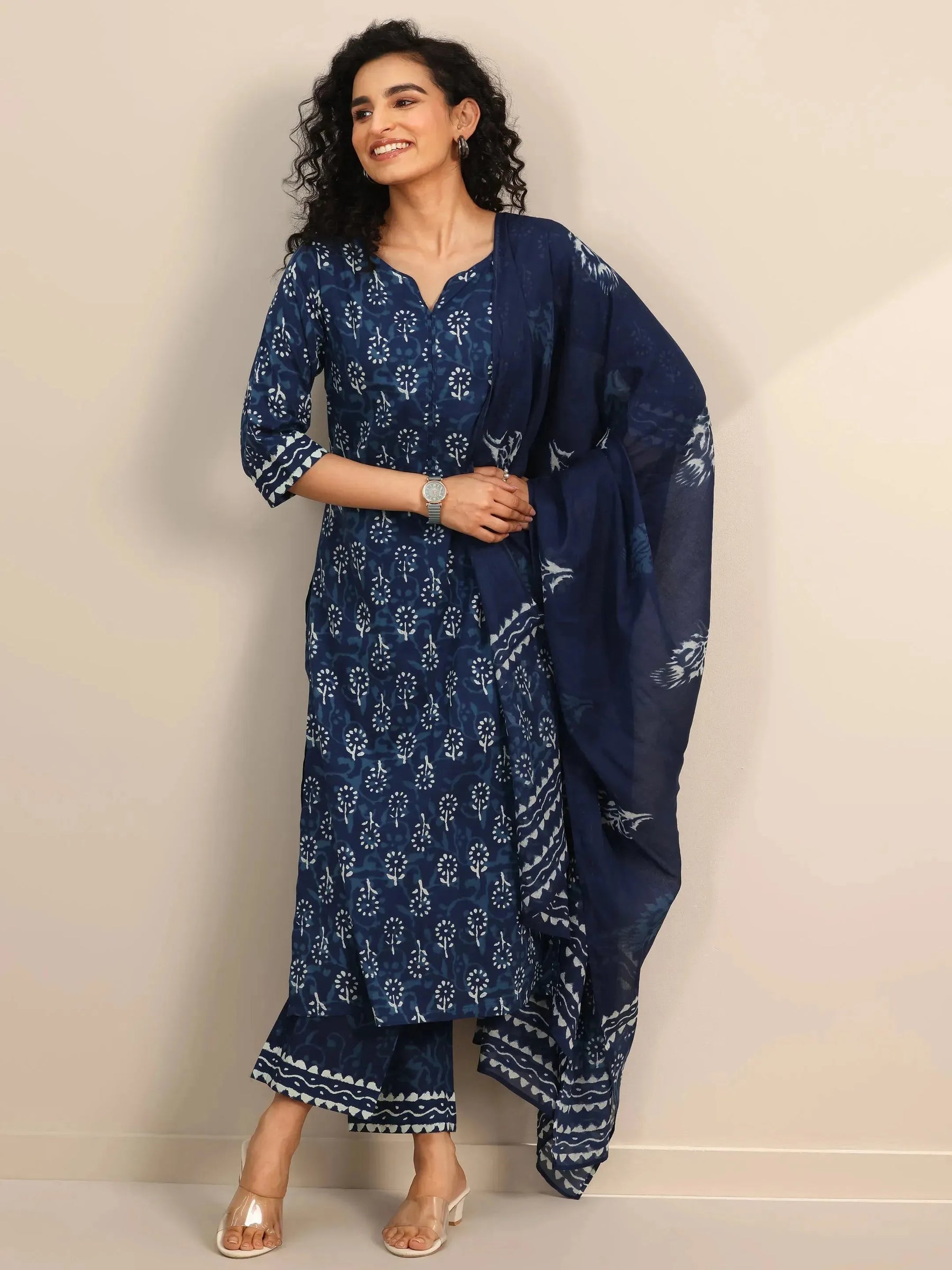
6. Dabu Print – Rajasthan
Indigo is one of the most loved colour in summers, if it is printed against soft mul cotton. This suit set from Libas depicts the traditional Dabu print. It is mud-resist hand-block printing that creates beautifully textured and layered patterns.
Signature Elements:
- Mud-resist printing
- Indigo and earthy shades
- Handcrafted rustic aesthetic
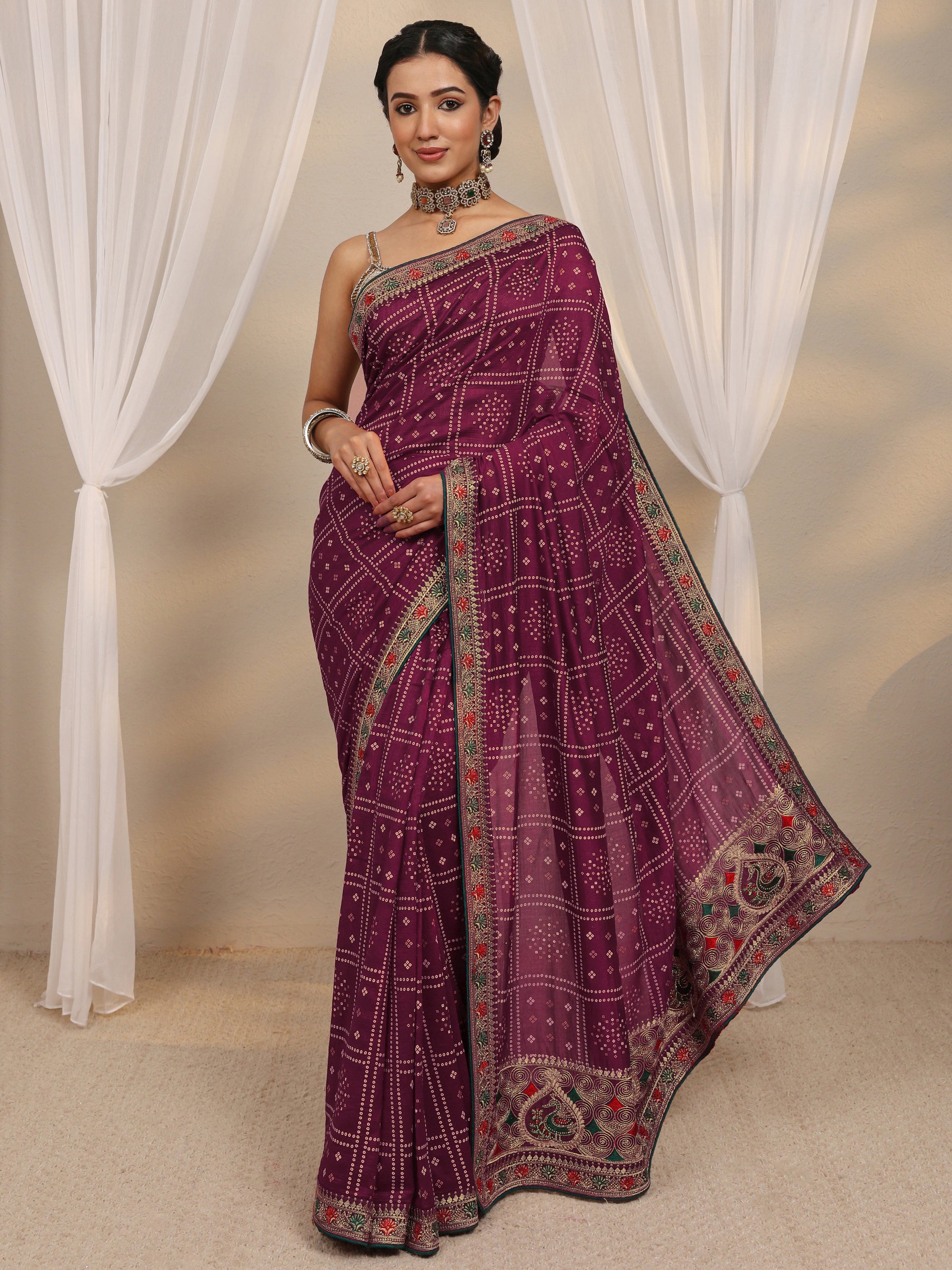
7. Bandhani Print – Gujarat & Rajasthan
Kaleidoscope of colours blened together against flowy fabric of chiffon and georgette and crepe creates beautiful Bandhani sarees. Libas’ ensemble of Bandhani sarees is adorned with gota accents and sequin floral motifs that turns each drape into a stunning piece that depicts the royal Indian art and culture. The tie and dye inspired prints are the most loved ethnic prints of India.
Signature Elements:
- Tie-and-dye technique
- Dotted patterns
- Bright festive colours
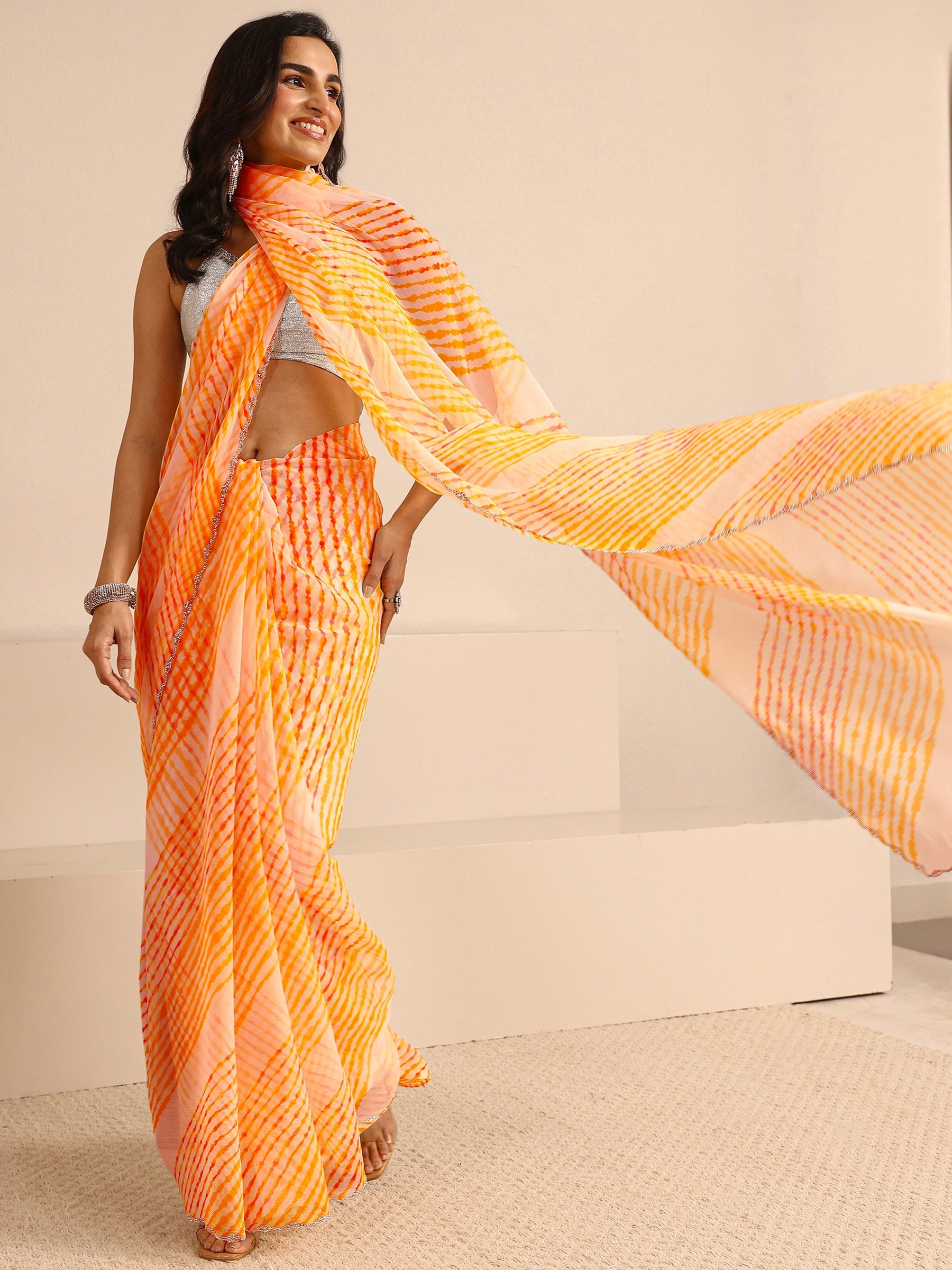
8. Leheriya – Rajasthan
Leheriya is another traditional tie-dye technique famous for its flowing wave-like striped patterns. These Leheriya sarees are profoundly associated with Teej celebrations and monsoon festivities.
Signature Elements:
- Wave patterns
- Bright colour gradients
- Lightweight festive appeal
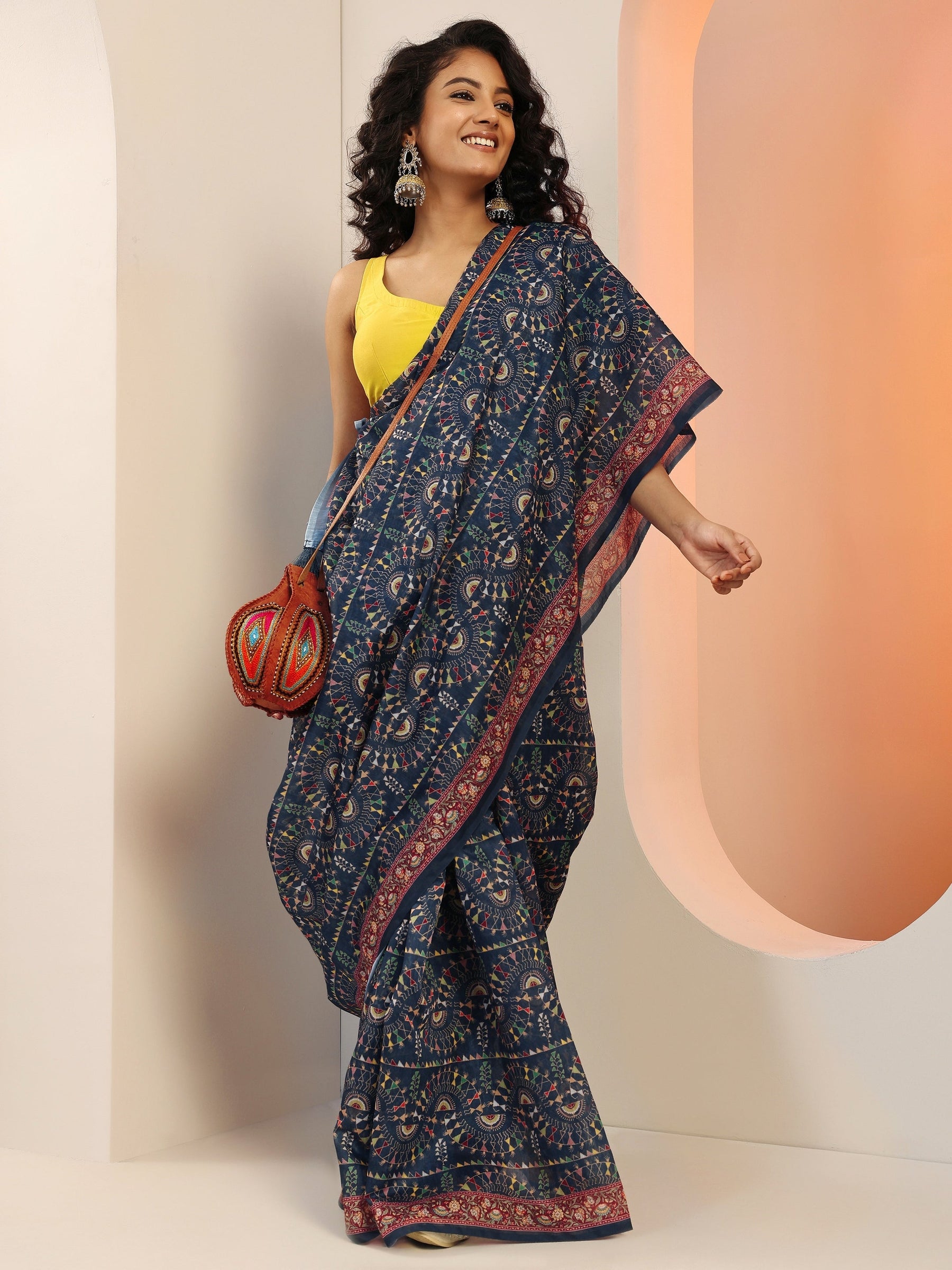
9. Warli Print – Maharashtra
Ever imagined how stick-inspired human figurines, animals and village life can look so fascinating! Inspired by one of India’s oldest tribal art forms, Warli print originates from the Warli tribes of Maharashtra. These types of Indian prints and patterns are formed through geometry-inspired forms like circle, triangle and rectangular. Libas offers a curated assortment of kurta sets, sarees and kurtis with Warli prints and embroidery.
Signature Elements:
- Tribal storytelling motifs
- Minimal geometric human figures
- Monochrome or earthy colour palettes
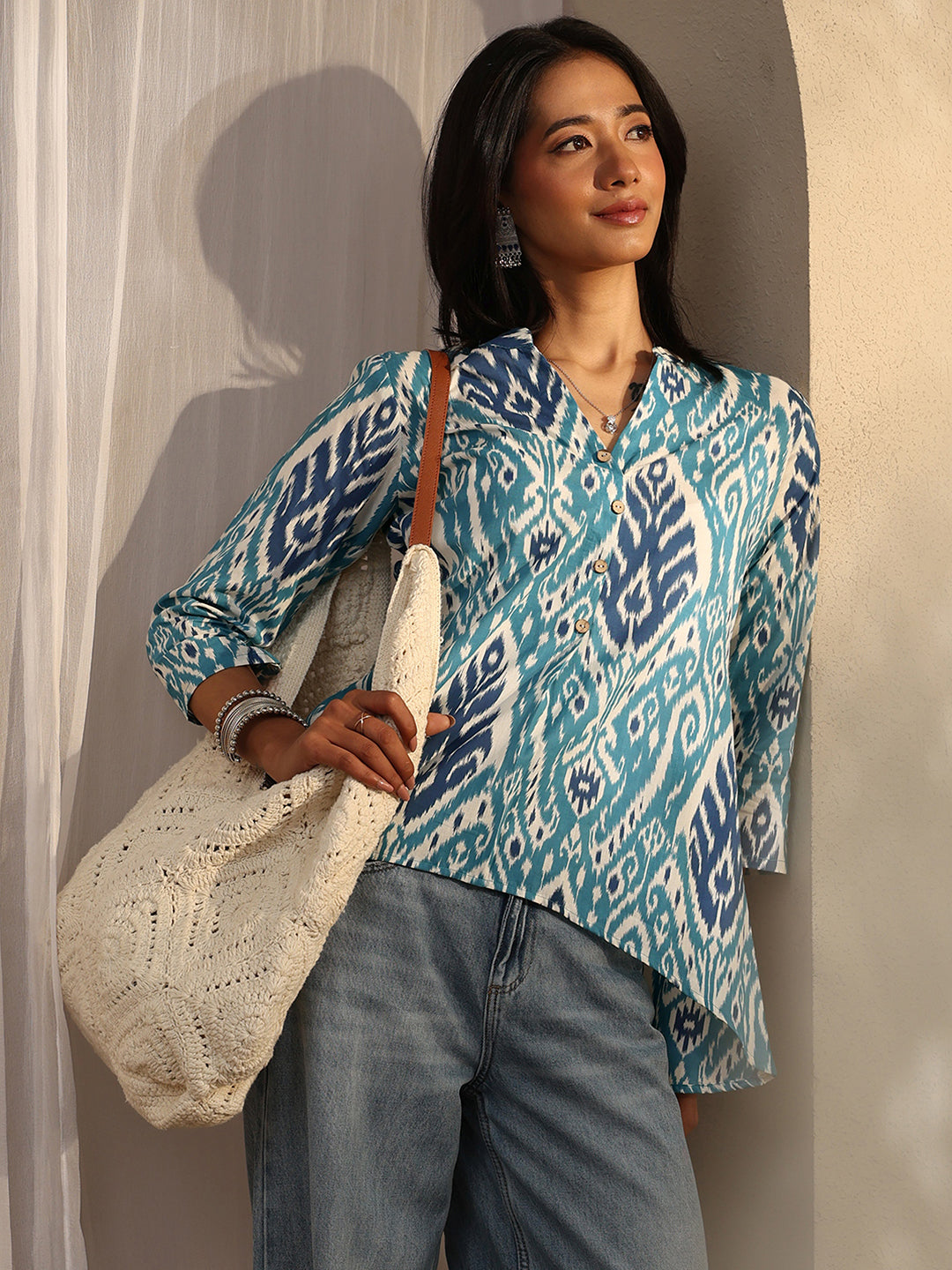
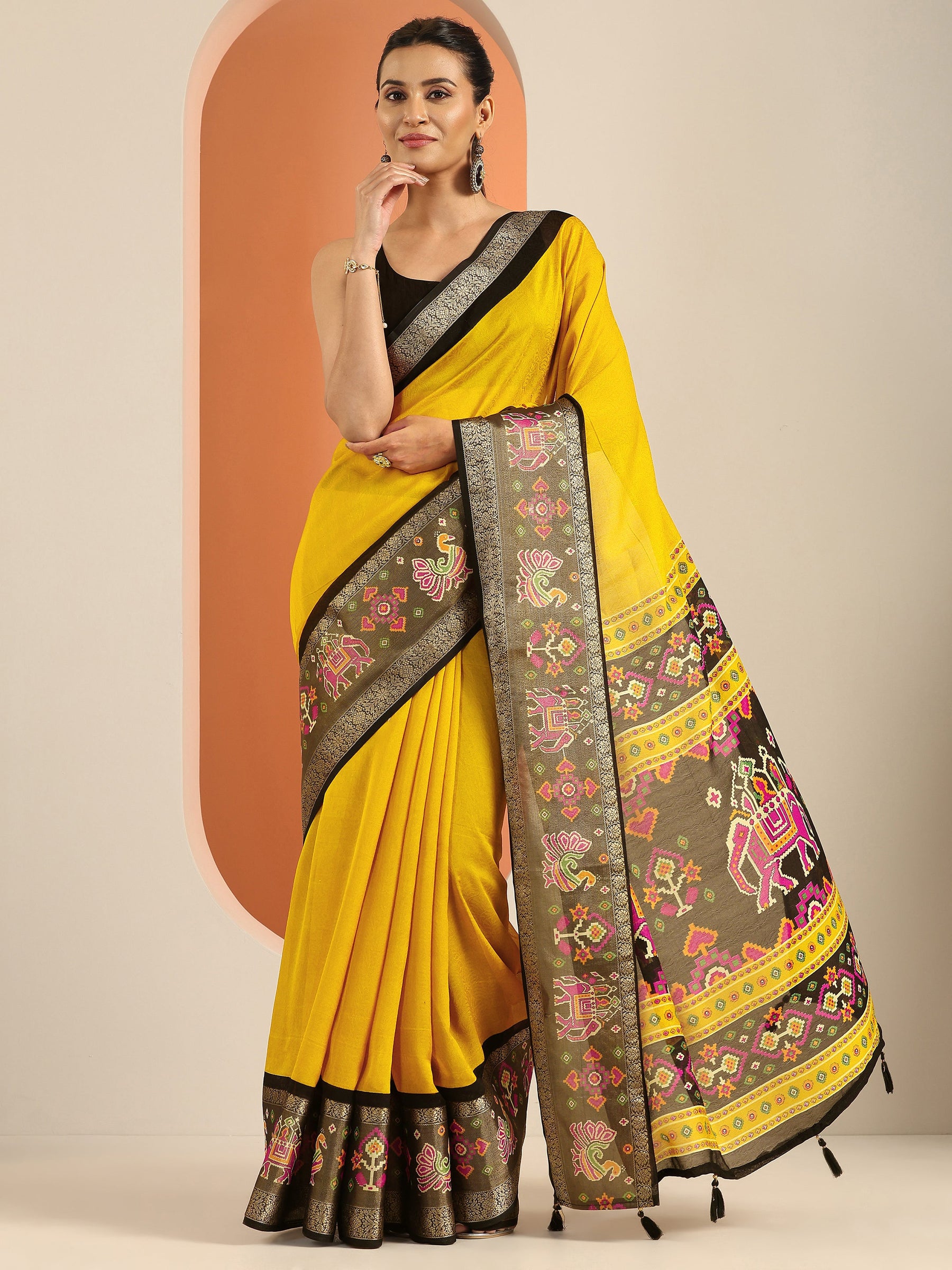
10. Pochampally Ikat – Telangana
Pochampally Ikat is one of India’s most celebrated weaving and dyeing traditions. This trending traditional art inspired print comes from the state of Telangana. These are known for their geometric motifs in vibrant color palette. Each motif borrows inspiration from the folk art and traditional folklore of the place. Today, Ikat-inspired motifs are widely used in abstract print suits, sarees, kurtis, dresses, co-ord sets, and Indo-fusion wear.
Signature Elements:
- Bold geometric and diamond-shaped motifs
- Vibrant colour combinations with contrast patterns
- Intricate Ikat tie-and-dye weaving technique
- Contemporary ethnic appeal
11. Sambalpuri Ikat – Odisha
Sambalpuri Ikat has recently seen a revolutionary image upliftment. From the remote areas of Odisha to global runway, this type of Ikat is a versatile resist dyeing technique of Ikat. Designers globally are introducing this Indian traditional print into workwear shirts, casual skirts and Ikat sarees and hence preserving this artwork and craft.
Signature Elements:
- Geometric and symmetrical patterns
- Traditional motifs like conch shells, wheels, flowers, and birds
- Blurred-edge effect created through Ikat dyeing
- Resist-dyed yarns
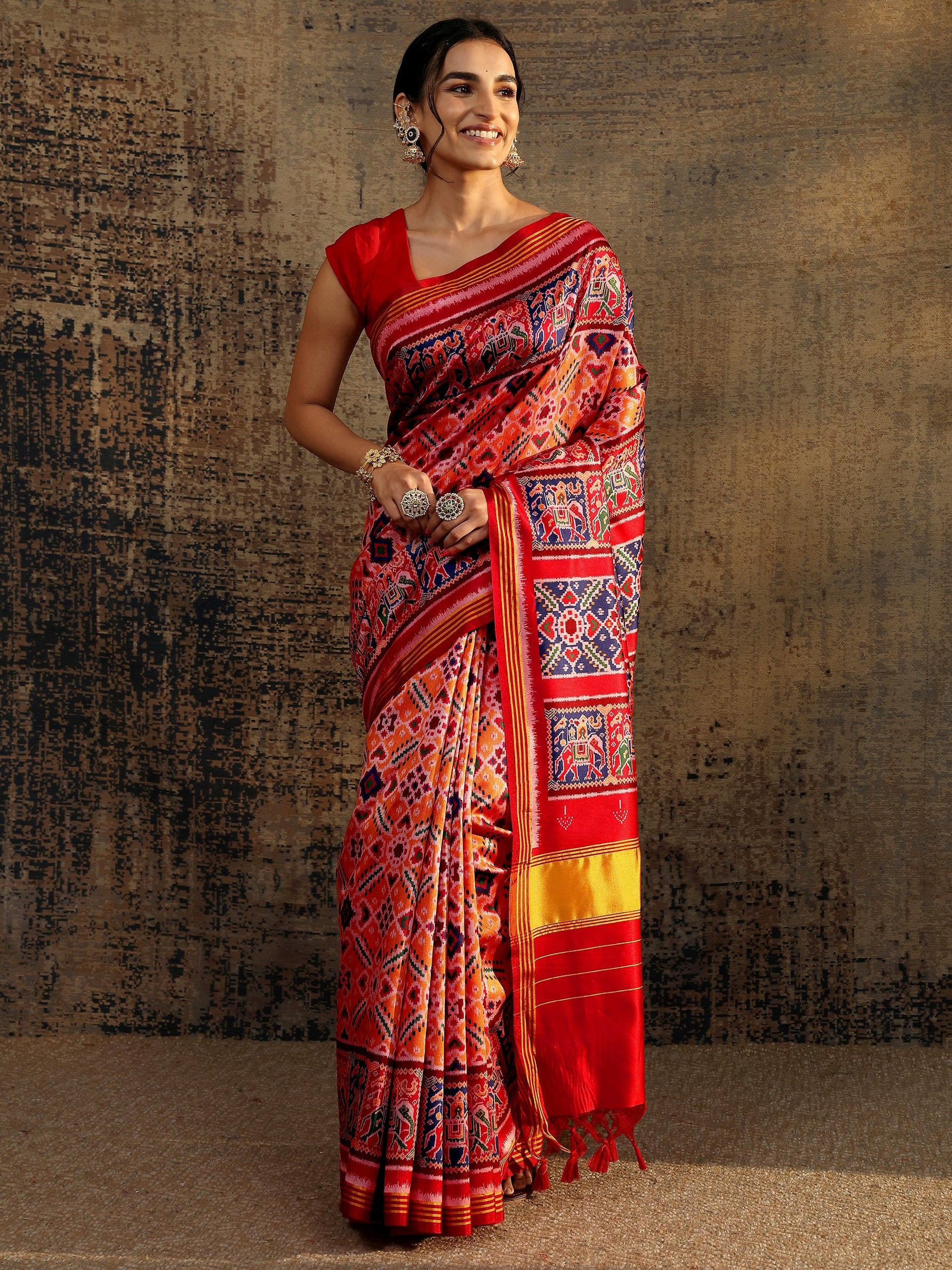
12. Patola Print – Gujarat
Known as the most luxurious print in the Indian art and culture, Patola print originates from Patan in Gujarat. This Indian traditional print is a double Ikat technique that features geometric patterns and symmetric motifs in lively colours. From the days when queens used to embrace this intricate textile art in their garb to modern women wearing this ethnic print of India in their sarees, Patola print has come a long way, without losing its significance.
Signature Elements:
- Intricate geometric motifs
- Vibrant colours
- Symmetrical pattern layouts
- Traditional double Ikat inspiration
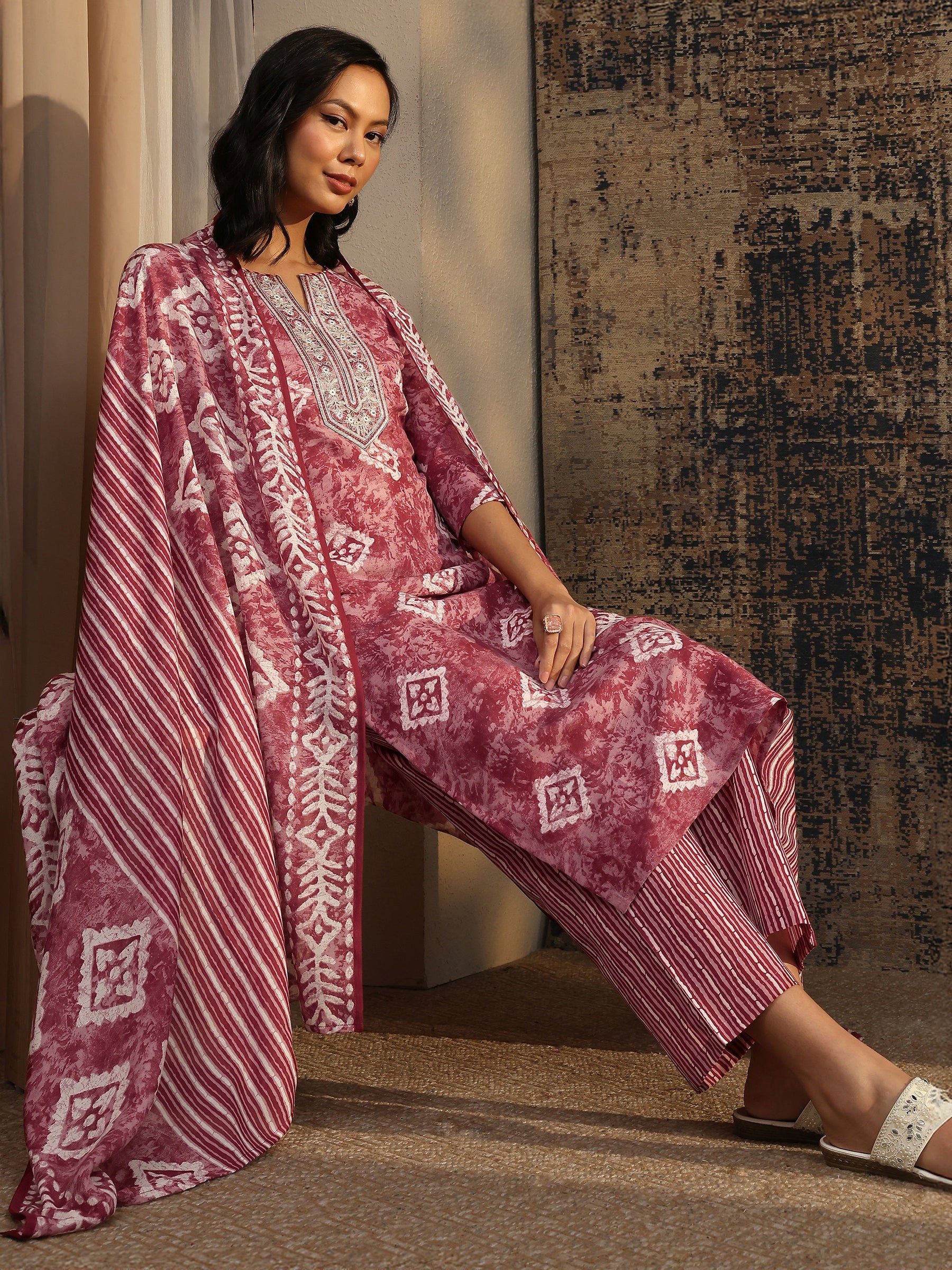
13. Batik Print – West Bengal & Gujarat
Ever thought how wax acts as the catalyst in creating a dyeing pattern on fabrics? Explore the Batik print design that originates in parts of West Bengal and Gujarat. This wax-resist dyeing creates artistic patterns creating geometric print kurtas and dupatta. The distinguishing factor is the crackled texture of these prints that creates the layered effect.
Signature Elements:
- Wax-resist dyeing
- Artistic handcrafted look
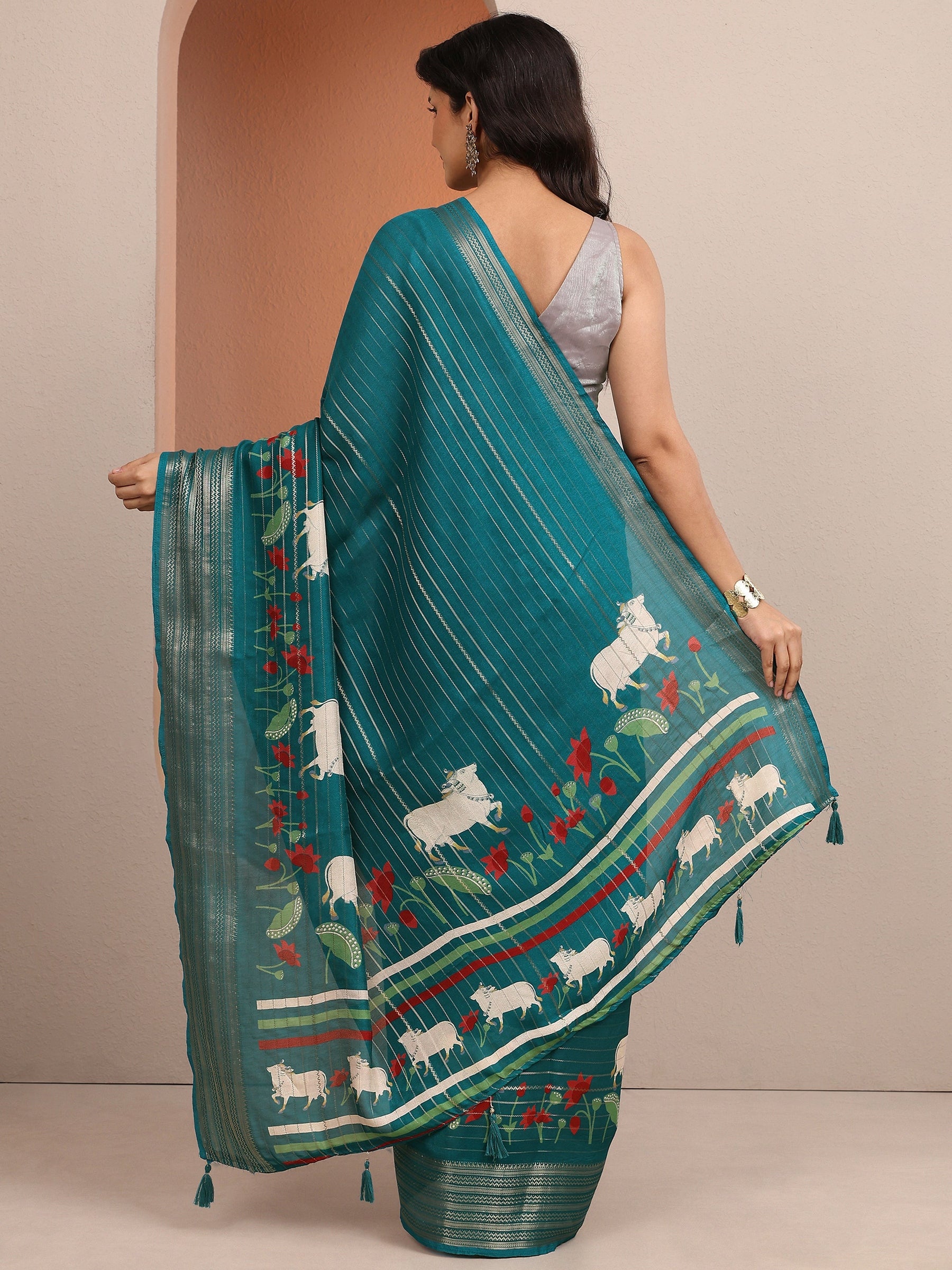
14. Pichwai Print – Rajasthan
In recent times, Pichwai print has been adorning Indian ethnic fashion silhouettes. Borrowing inspiration from the aesthetically done paintings of Lord Krishna, these heritage prints from Nathdwara in Rajasthan are often seen adorning trending Indian culture saree crafted in silk.
Signature Elements:
- Cows (symbol of Krishna and purity)
- Lotus motifs
- Peacocks
- Intricate floral patterns
Pichwai-inspired fashion prints today beautifully blend Indian traditional prints with contemporary ethnic wear silhouettes.
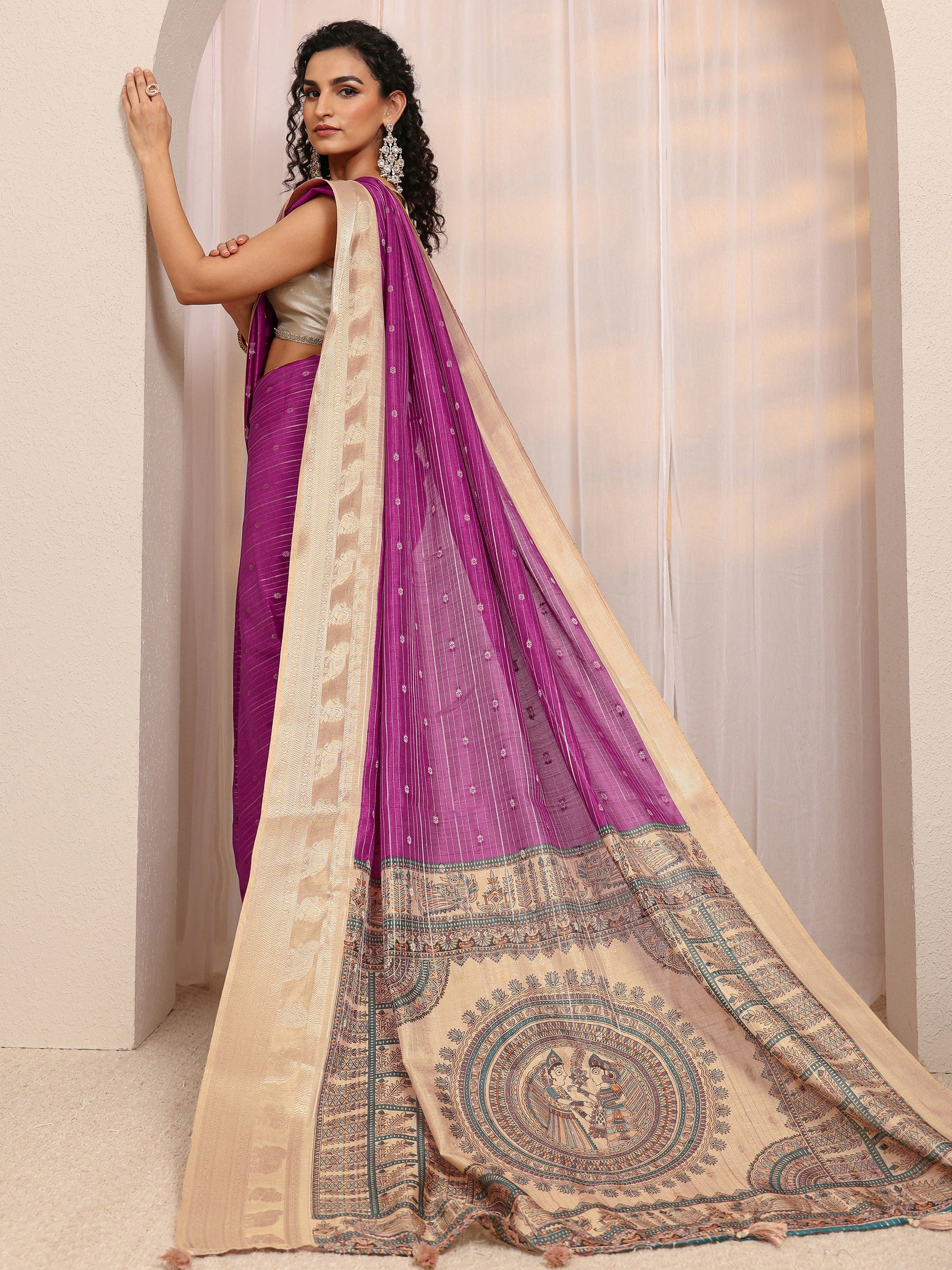
15. Madhubani Prints – Bihar
Borrowing inspiration from the renowned Mudhabani folk art of Maithali district of Bihar, this involves storytelling on textiles narrating traditional folk tales of that culture. This type of Indian prints and patterns is often seen adorning sarees and dupattas against the silk and jute silk fabric.
Signature Elements:
- Folk-art-inspired motifs
- Nature and mythology themes
FAQs on Indian Traditional Prints
1. What are the most popular Indian traditional prints?
Some of the most popular Indian traditional prints include Bandhani, Ajrakh, Kalamkari, Bagru, Ikat, Patola, and block prints. These trending traditional arts and craft inspired prints are being embraced by designers and craftsmen in creating breathtaking silhouettes and outfits.
2. Which heritage prints are best for festive occasions?
Out of all the heritage prints, Patola, Kalamkari, Bandhani, Kani and Pichwai prints are mostly adored for the celebratory charm these prints hold. These Indian ethnic prints look stunningly beautiful on festive wear outfits.
3. How to style Warli print outfits?
Warli prints are the traditional prints in Indian fashion that come from a tribal village of Maharashtra and can be styled in a myriad of ways. Take your everyday look with minimal accessories, and if you are amping up the look for festivities, style the outfit with temple jewellery.
4. How to accessorize outfits with vintage prints?
Accessorizing is an art that accentuates the overall look and feel of the outfit. If you’re wearing an outfit keeping in mind the minimalist Indian wear ideas, you may opt for subtle antique style silver jewellery to sync with the overall appearance.
5. Are ethnic-inspired prints available at Libas?
Libas brings you an intriguing line of ethnic-inspired printed outfits. From sarees, kurta sets to dresses and loungewear, you will find Indian traditional prints adoring the outfits. This includes Kalamkari, Bagru, Dabu, Patola prints, and more.
6. How to style traditional prints for a modern look?
If you want to style your ethnic and traditional Indian prints for a modern and chic look, then include accessories such as broad belts, solid colour scarves, contemporary mang tikas, and embellished tassel bags.

